

It can be frustrating when you try to shut down your Windows computer but instead of powering off it restarts. This issue can happen because of various reasons and knowing those reasons can help you find the right solution.
Why does a Windows computer restarts instead of shutting down? External devices connected to your Windows computer, incorrect Power settings, fast start up feature, BIOS settings, software or driver issues, automatic restart function, etc., are the main causes for restarting your computer itself.
Reasons and Fixes for Restarting Windows Itself
1. External Devices Connected With the PC: This one of the common reasons for your PC to restart instead of shutting down. To fix it, unplug all devices from your computer to see if that helps.
2. Software or Driver Issues: Software or driver conflicts is a main cause for restarting Windows itself. When you initiate a shutdown, certain software or drivers may not respond correctly, causing the system to restart instead.
To fix this issue, you can try updating your drivers to the latest version. Open the Device Manager, look for any devices with a yellow exclamation mark. Right-click on the device and select “Update driver.”
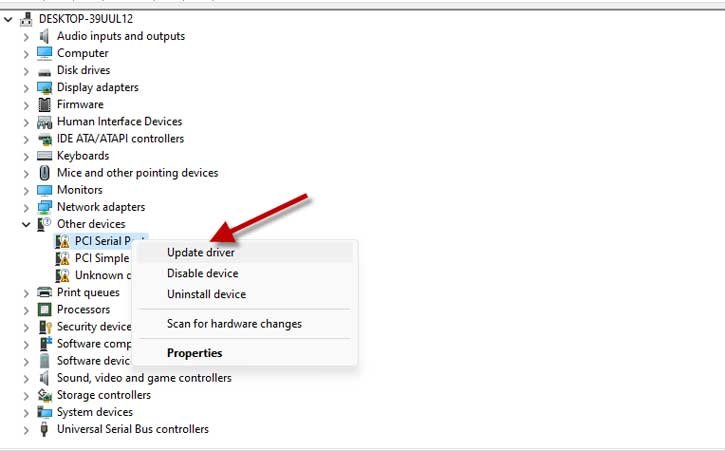
You will also need to check for software updates for any recently installed programs that may be causing the conflict.
3. Power settings: Incorrect power settings can also lead to restarting your PC instead of shutting down. This can happen if the power button is configured to restart the computer instead of shutting it down.
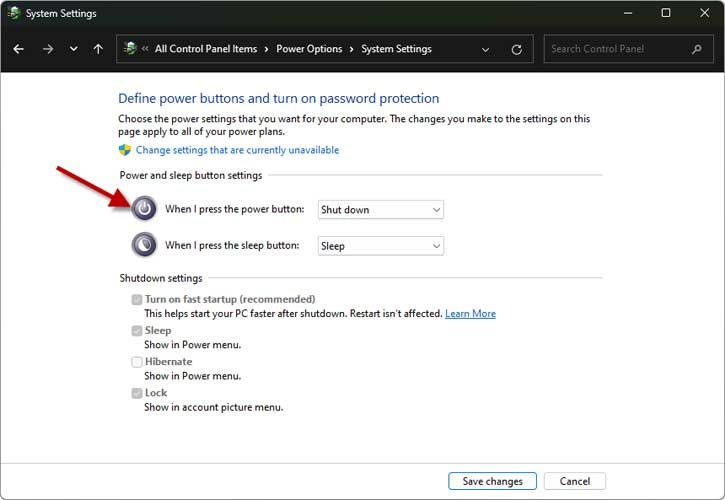
To check and modify the power settings, go to the Control Panel and search for “Power Options.” Click on “Change what the power buttons do” and make sure the option to “Shut down” is selected for the “When I press the power button” settings.
4. Disable Fast Startup and Automatic Restart Option: Fast start up function and automatic restart option can cause for restarting a Windows computer instead of shutting down.
Open Control panel and select Power options. Next click the “Choose what the power buttons do option” from the left sidebar.
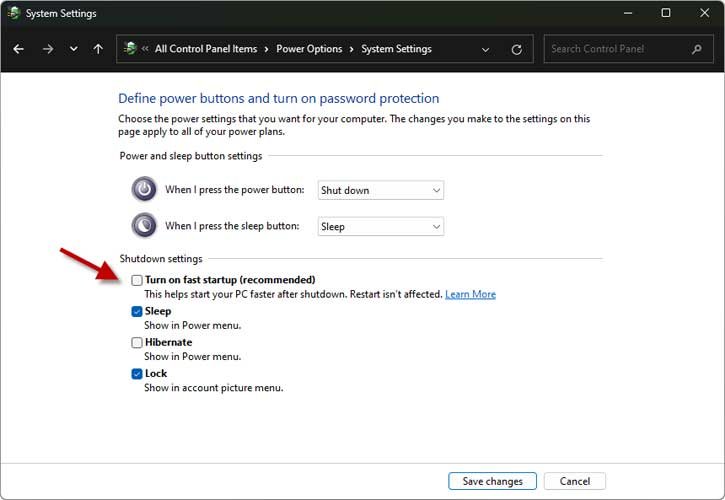
Click the “Change settings that are currently unavailable option” and uncheck the “Turn on fast startup (recommended)” checkbox and click Save Changes.
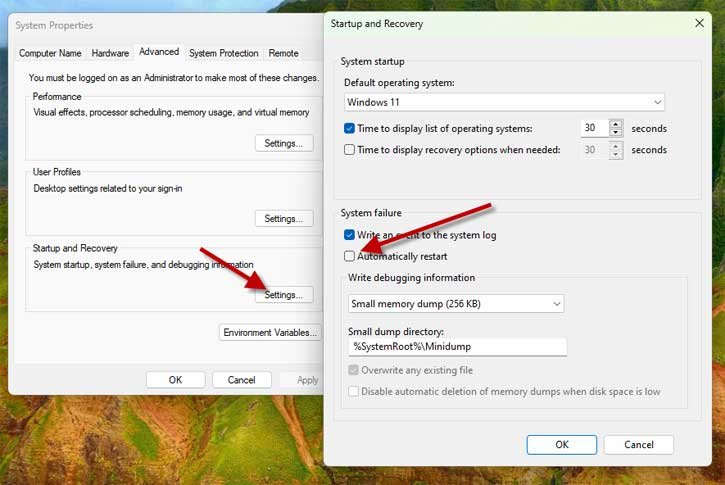
A system failure during the shutdown process might force your Windows PC to reboot automatically. When that happens, Windows conducts the necessary checks and prevent delays during subsequent start ups. However, you can safely disable this function.
Click the Start button on your Windows 11 PC, type “View Advanced System settings” in the search box and open it. Under “Startup and Recovery“, click the Settings button, uncheck the “Automatically restart” option and then hit OK.
5. Hardware Issues: Sometimes hardware issues can make a Windows computer restart itself. Faulty hardware parts inside your PC or an inadequate power supply can disturb the shutdown process. If you suspect a hardware issue it is best to ask for help from a technician.
6. Windows Updates: Windows Updates can sometimes interfere with the shutdown process causing the computer to restart itself. This often happens when a pending update needs a restart to finish installing.
To fix this make sure your computer is fully updated. Open the Settings app go to “Update & Security ” and click on “Check for updates.” Install any updates that’re available and restart your computer if you are asked to do so.
7. Malware or Viruses: Sometimes malware or viruses can stop a Windows computer from shutting down. These harmful programs may disrupt system functions leading to unexpected restarts.
You should run scans to find and remove any malicious files. Keep your antivirus software up to date. Perform a full system scan to make sure your computer is free of threats.
Conclusion
A Windows computer restarting instead of shutting down can be annoying. It may be due to software or driver issues, power settings, Windows Updates, malware or viruses or even hardware problems. By trying the fixes listed above you can solve the issue.

